

Dermal Fillers (General) Gallery
$$MultiPurposeText$$
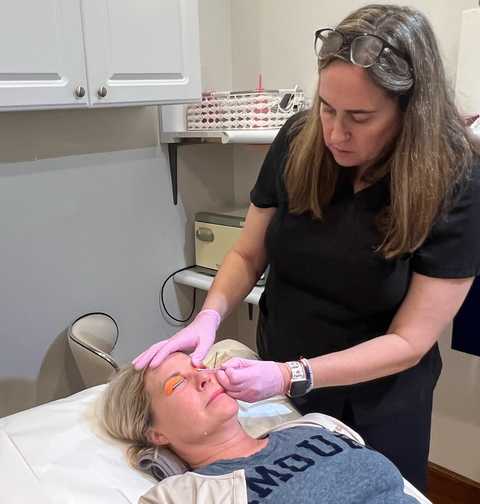
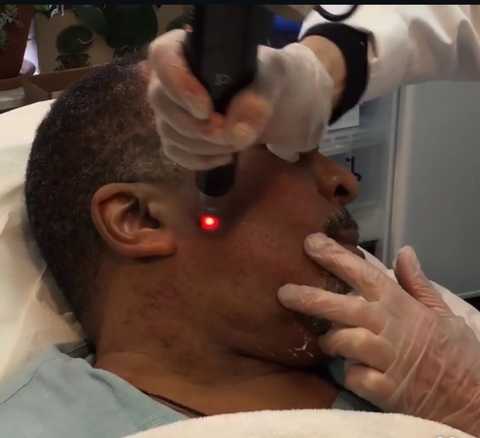
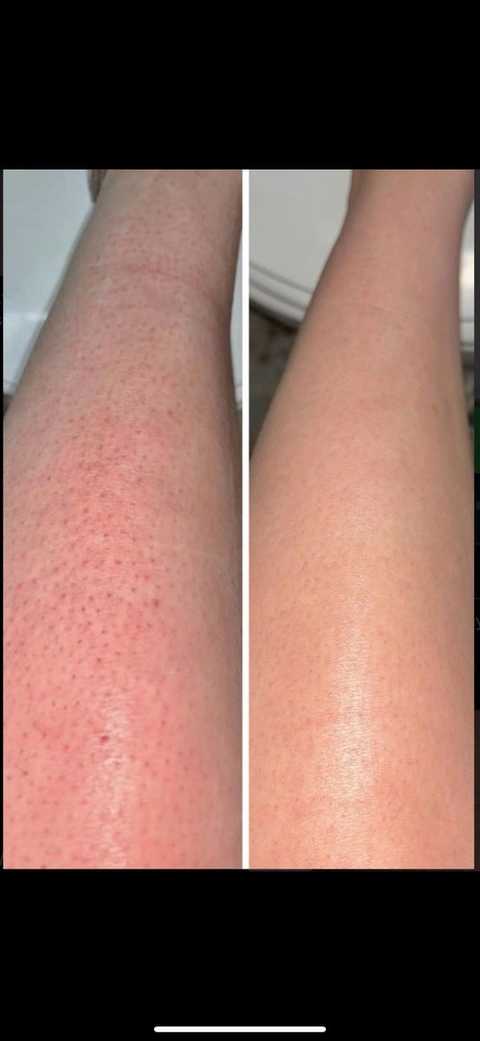
See examples of our Dermal Fillers (General) work and results.









What Our Clients Say
$$MultiPurposeText$$
Read testimonials from our satisfied customers

An amazing experience at Defining Beauty! Bernidine, the owner is fantastic and so helpfu...more

...more
Frequently Asked Questions
Get answers to common questions about Dermal Fillers (General).
Results vary by product and patient, usually lasting 6 to 18 months. Thicker fillers often last longer; lifestyle, metabolism, and treatment area influence duration. We recommend follow-up consultations to maintain optimal contouring and schedule touch-ups as needed.
Discomfort is usually minimal thanks to topical anesthetic and lidocaine in many fillers. Most clients experience mild swelling or bruising for a few days; avoid strenuous activity and heat for 24–48 hours to promote quicker recovery.
Ideal candidates are adults seeking volume restoration, wrinkle reduction, or gentle contouring. Good overall health, realistic expectations, and absence of active skin infection or certain autoimmune conditions are important for safe, effective treatment.
Avoid blood-thinning medications and supplements like aspirin, ibuprofen, fish oil, and vitamin E for 5–10 days if medically appropriate. Arrive with clean skin, disclose medical history, and plan for light downtime after treatment.
Common side effects include temporary redness, swelling, bruising, and tenderness. Rare complications can include infection, lumps, or vascular compromise; choosing an experienced injector reduces risks. We review aftercare and warning signs before treatment to ensure safety.
Yes. Combining fillers with neuromodulators, laser treatments, or skin rejuvenation can enhance results when planned strategically. Your provider will create a tailored treatment plan and sequence procedures to maximize safety, healing, and aesthetic outcome.