

Tattoo Removal Touch Up Service Gallery
$$MultiPurposeText$$
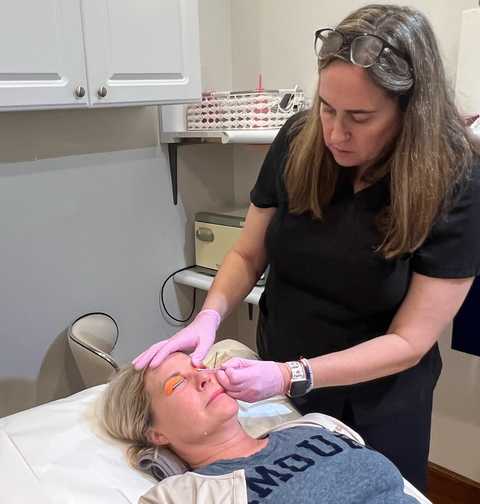
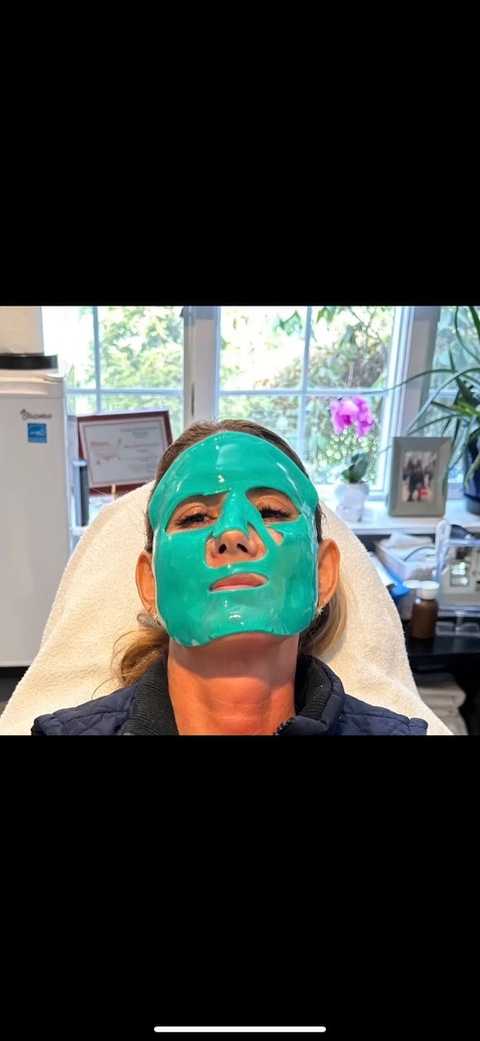
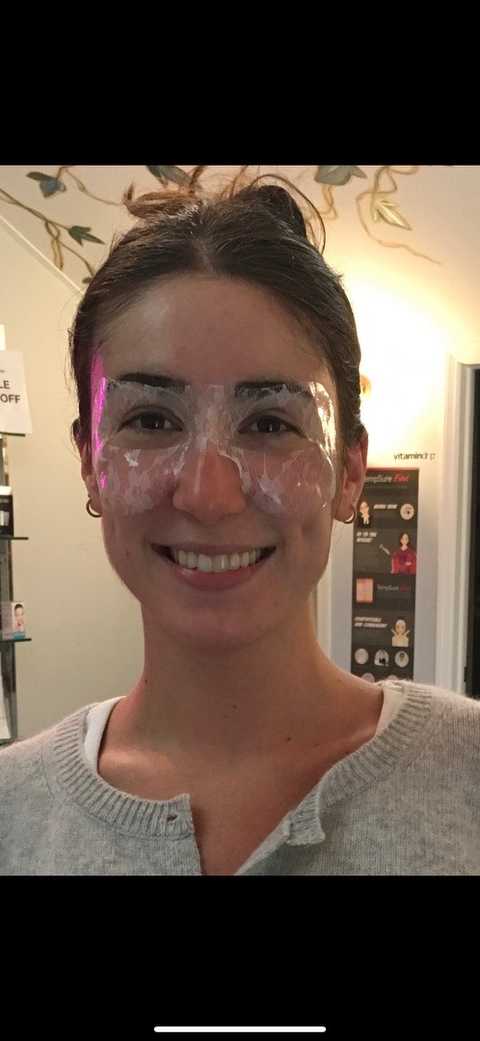
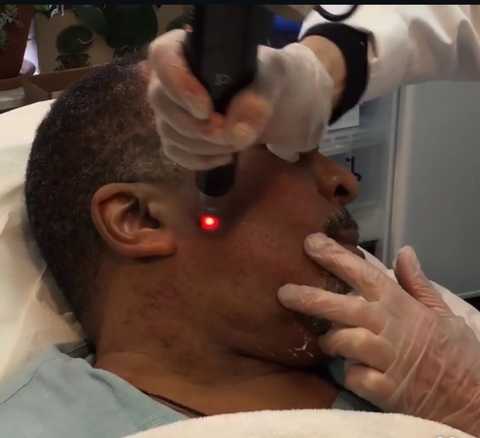
See examples of our Tattoo Removal Touch Up Service work and results.







What Our Clients Say
$$MultiPurposeText$$
Read testimonials from our satisfied customers

I highly recommend this place! I recently had a tattoo removal here, and it exceeded my ex...more

I went in for three sessions of tattoo removal with Bernadine, my tattoo was extremely dar...more

I've had great success with all my treatments at Defining Beauty. I've had an old tattoo r...more

...more
Frequently Asked Questions
Get answers to common questions about Tattoo Removal Touch Up Service.
We typically recommend waiting 6–12 weeks after your last laser session to allow full healing and ink clearance. A consultation assesses progress; timing may vary based on skin response, pigment depth, and provider judgment to ensure safe, effective touch-up treatment.
Discomfort is usually comparable or slightly less than initial sessions because remaining ink often responds faster. We offer topical numbing and cooling to ensure comfort. Pain levels vary individually, but sessions are brief and manageable for most clients.
Many clients need only one targeted touch-up, but some stubborn areas may require multiple sessions. Your technician will evaluate ink persistence and skin response to recommend the minimal number of focused treatments needed for a satisfactory final result.
When performed by experienced clinicians with proper settings, scarring is uncommon. We use conservative pulses and cooling to protect skin. Follow-up assessments and tailored treatment lower risks, but individual healing and skin type can affect outcomes.
Aftercare includes gentle cleansing, applying prescribed ointment, avoiding sun exposure, and keeping the area hydrated. Do not pick scabs and follow return-to-activity guidance. Proper care reduces complications and optimizes pigment fading between sessions.
Some colors like blue and green can be more resistant, but touch-up lasers tuned to specific wavelengths often improve clearance. Your technician will assess previous response and may recommend additional sessions or alternative approaches for stubborn pigments.